Imagine a busy client chair at a pop-up gig: a portable lamp on a folding table, a set of dual forms, and a slim black bottle waiting in a tidy pouch. The buyer on shift keeps things efficient and polished, and the question that comes up between clients is practical: will a slip solution change the way AcryGel behaves under a mobile tech’s brush?
Mobile techs curious about bottle size and finish should check AcryGel Slip Solution 8oz for details and to compare in their kit.
Readers often ask whether a product like this small bottle can really improve control with thick AcryGel and polygel, and whether it plays nicely with a lamp and common application routines. The short answer for many mobile nail pros is yes, but as with any tool, it depends on technique and expectations; the article below answers common how-to and troubleshooting questions while noting important limits.
Prep: Start Clean
Readers often ask how to prepare the nail and accessories before bringing slip solution into the mix. A beauty supply buyer would recommend the usual prep: lightly buff and dehydrate the natural nail, remove dust, and set up a clean dappen dish for the liquid. Dispense only a small amount into the dish so the bottle stays sealed and uncontaminated between services.
Application: How To Use
Readers often ask for a step-by-step that works on-the-go. Follow a simple routine: place a bead of AcryGel onto the nail or form, dip the brush into the solution and wipe excess so the brush is damp—not saturated—and then pat, press, and smooth the product into shape. The slip liquid is meant as an application aid only; it does not cure the AcryGel, so the finished nail still needs proper UV/LED curing per the AcryGel maker’s instructions.
Technique: Brush Tips For Mobile Techs
Readers often ask what to do if the brush drags or grooms unevenly. The trick is moderation: too much liquid makes the brush glide but can thin the product at the cuticle or edge. Too little and the brush will pick up and string product. Aim for a damp brush, and use short, controlled pats to move product rather than long strokes. Between fingers, lightly reshape the bead and clean the brush in the dish so bristles stay flexible for the next nail.
Finish: Curing And Surface Shape
Readers often ask whether the slip solution affects cure time or the final finish. The formula is described as lightweight and non-drying to preserve workability; it shouldn’t interfere with normal curing when used as an application aid. After the structure and surface are complete, cure under a compatible UV/LED lamp per the AcryGel manufacturer’s instructions to harden the system fully.
Brush Care: Maintaining Tools Between Beads
Readers often ask how to keep AcryGel brushes in top shape during a busy appointment. The same liquid used to help sculpt can also assist in keeping bristles flexible and easier to clean between applications. Use small amounts in a dish to remove residual product from the bristles, then blot on a lint-free wipe. Avoid saturating the ferrule to prevent glue weakening over time.
Troubleshooting: Common Problems Solved
Readers often ask what to do if the product strings, beads up oddly, or won’t smooth. A damp—not wet—brush usually solves stringing and sticking. If the product thins near the cuticle, either the brush was too loaded with slip or too much liquid reached the bead; blot the brush and rework with gentle patting. For stubborn edges, press the AcryGel into place with a clean, slightly dampened brush tip rather than a sweeping motion.
Visual Style: Match The Bottle Aesthetic
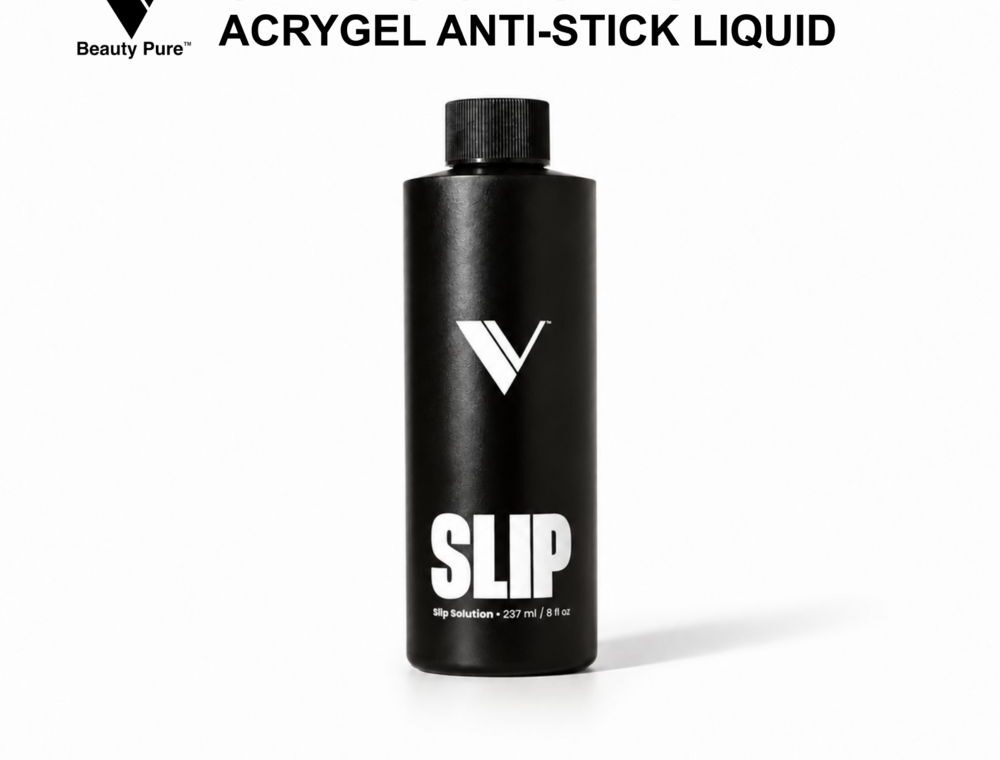
Readers often ask whether product packaging hints at how it should be used. The tall matte-black bottle with bold white branding and a small glossy rim on the cap projects a clean, modern mood—an aesthetic that pairs well with minimalist, monochrome manicure looks. For techs who curate a mobile kit, that styling signals a professional, no-fuss tool that complements modern black French tips, negative-space logo-inspired art, or matte textured topcoats.
Safety: Handling Notes For Liquids
Readers often ask about safety when using a liquid application aid in small spaces. Common-sense handling is advised: keep the cap closed when not in use, avoid prolonged skin contact, and store away from direct heat. Because this product does not cure on its own, keep it clearly labeled and separate from curing products. Proper disposal of used wipes and minimal open exposure in a small mobile workspace helps keep the station tidy and professional.
Quick specs:
- Product: AcryGel Slip Solution
- Size: 8 FL OZ / 237 mL
- Finish: Matte black tall bottle with white branding
- Function: Slip liquid for AcryGel and polygel application
- Use: Application aid and brush maintenance; does not cure product
- Price: $12.70 (prices may change)
Common Reader Q: Is It Worth Carrying For Mobile Work?
Readers often ask if it’s worth dedicating pocket space to another bottle. For many mobile techs who do AcryGel or polygel styling, a single 8 fl oz bottle balances volume and portability. It helps reduce product waste and speeds shaping by preventing the brush from sticking, which can save time over a full day of appointments. The matte, slim bottle fits easily in a tool roll and keeps a tidy footprint on a small folding table.
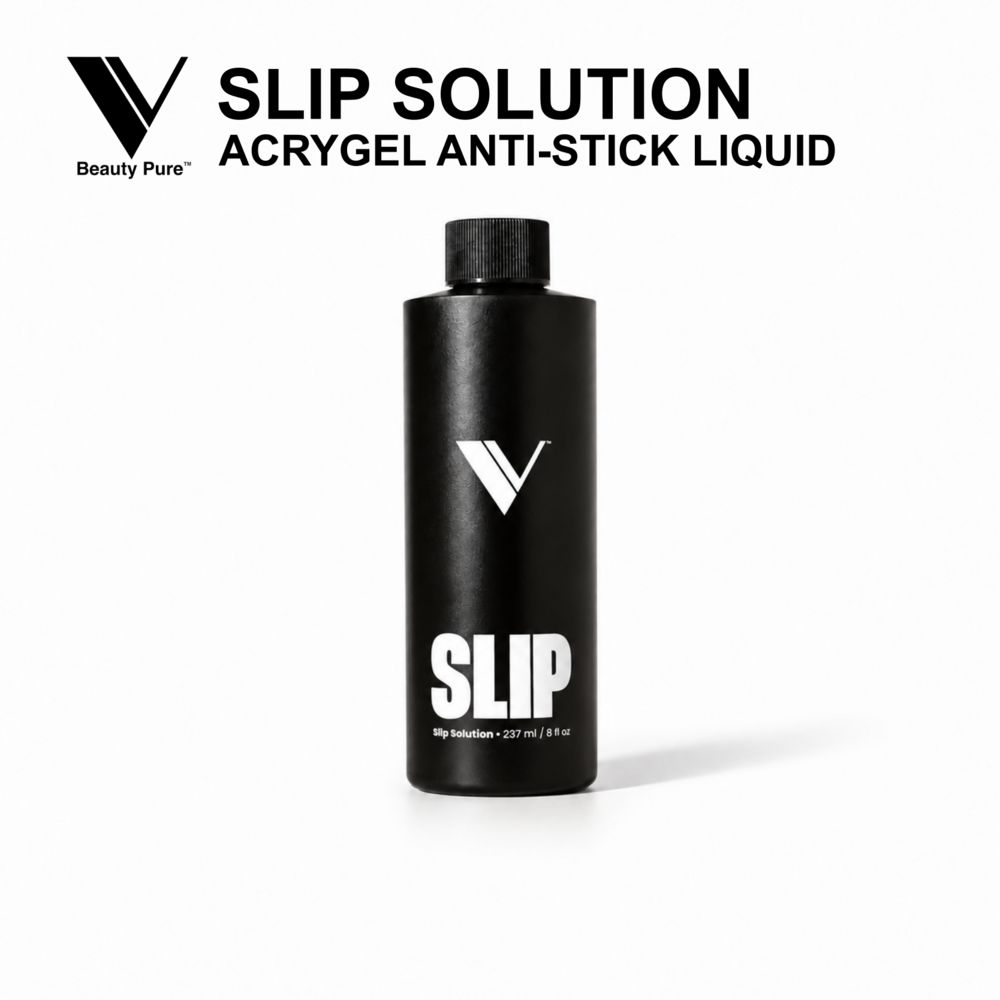
Tall minimalist matte-black bottle for on-the-go AcryGel work.
Final Thoughts: Who Should Buy
Readers often ask who benefits most from adding this to a kit. Mobile nail technicians who use AcryGel or polygel regularly, who value cleaner sculpting and brush control, and who prefer a professional, minimalist aesthetic will find this slip solution useful. It’s also a practical pick for techs who want a product that doubles as a brush-maintenance aid. For those reasons, a beauty supply buyer would tag it as a useful addition to a streamlined mobile kit.
See the product details and consider it for a mobile setup at AcryGel Slip Solution 8oz